Health Benefits of Nuts



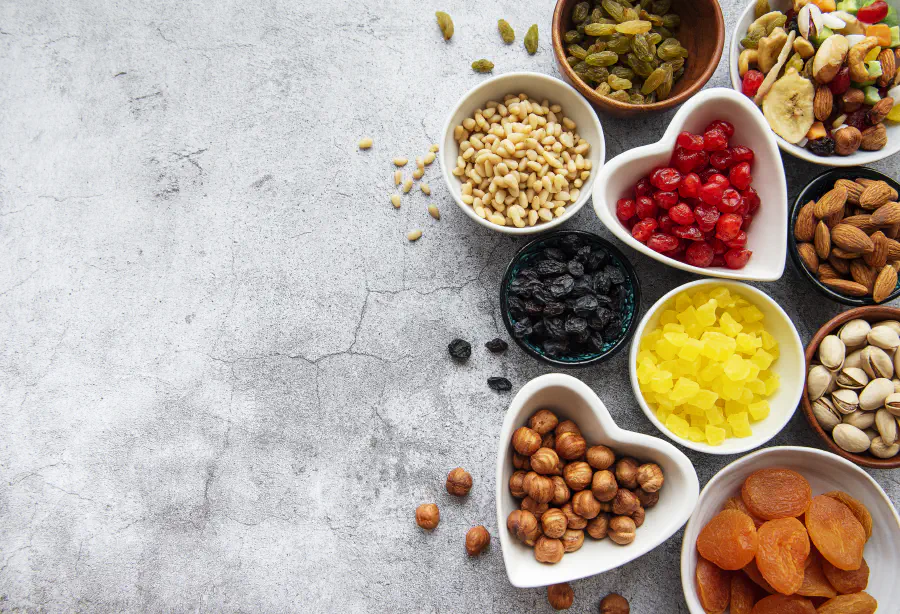
Nuts are one of the most nutrient-dense pantry staples. They’re naturally rich in healthy fats, plant protein, fibre, and a range of vitamins and minerals. For buyers and brands, they also deliver strong shelf stability and broad consumer appeal across snacking, baking, cereals, and confectionery.
What makes nuts “healthy” in practical terms
- Unsaturated fats: A key reason nuts are associated with heart-friendly eating patterns.
- Protein + fibre: Helps with satiety and supports balanced snack formulations.
- Micronutrients: Many nuts contribute magnesium, vitamin E, zinc, selenium, and folate depending on type.
- Low moisture: Supports long shelf life when stored and packed correctly.
Portion and product guidance
For consumers, a small handful is the common benchmark. For commercial customers, consistency is everything: flavour, colour, size grading, and freshness drive repeat purchasing.
At Stable Pantry, we focus on export-grade selection and handling so nuts arrive with clean flavour and stable crunch—ready for retail packs, ingredient use, or further processing.
Export quality starts with handling

Export performance depends on the basics being done properly: cleaning, grading, moisture control, packaging integrity, and storage conditions through freight. Our Sydney-based export workflow prioritises traceability and predictable specifications for international customers.
A note on allergens and labelling
Tree nuts and peanuts are major allergens. Any consumer-facing product should follow local labelling rules for the destination market. For B2B, provide allergen declarations and cross-contact statements as required.
If you’re an importer or manufacturer and need a consistent spec (size, roast level, salt, packaging format), we can align product preparation to your market requirements.